A Roadmap to Surviving Winter Roof Damage Repair
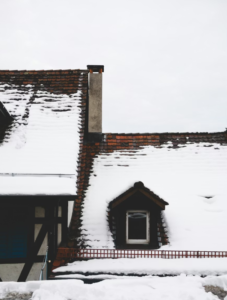 Winter in Minnesota brings heavy snow, freezing temperatures, and ice buildup that can quietly damage roofing systems. Snow adds weight to a roof, while melting and refreezing can create ice dams that trap water beneath shingles and lead to leaks or structural damage. This freeze-thaw cycle is one of the most common causes of winter roof damage repair in colder climates. At A to Z Construction Inc., a family-owned contractor serving homeowners since 2004, experienced professionals help identify winter-related issues early so small problems don’t turn into more costly repairs and potential replacements.
Warning Signs You Need Winter Roof Damage Repair
Roof damage from snow and ice usually develops gradually as snow buildup, melting, and temperature swings place stress on roofing materials. Staying alert to these warning signs helps homeowners address small issues early to allow professionals to repair vulnerable areas before emergency remediation is needed:
- Ice dams along the roof edge: Thick ridges of ice forming near gutters can trap melting snow and push water under shingles. This often leads to leaks and deterioration of the roof deck and insulation if not addressed.
- Water stains on ceilings or walls: Interior discoloration, peeling paint, or damp drywall may signal that melting snow has penetrated the roof system. These stains often appear after freeze-thaw cycles and may worsen during warmer days when snow begins to melt.
- Loose or damaged shingles: Heavy snow, ice buildup, and strong winter winds can lift, crack, or dislodge shingles, leaving vulnerable areas exposed to moisture. Damaged shingles can allow water to reach the underlayment and decking beneath the roof. Winter roof damage repair is necessary to prevent larger issues.
- Icicles hanging from gutters: While icicles may look harmless, they often indicate improper drainage or heat escaping from the attic. This temperature imbalance contributes to melting and refreezing cycles that commonly lead to ice dam formation.
- Sagging roof sections: Excessive snow accumulation can strain structural components and place pressure on rafters and decking. A sagging roofline may indicate serious weight stress that requires immediate professional evaluation.
- Clogged or damaged gutters: Roof damage from snow and ice can bend gutters or block downspouts, preventing proper drainage. When water cannot flow away from the roof, it may back up beneath shingles. This further increases the likelihood of leaks.
- Granules collecting in gutters: Asphalt shingles may shed protective granules after winter storms. Excess granules in gutters or around downspouts can signal accelerated shingle wear. Ultimately, this reduces the roof’s ability to protect against moisture and UV exposure.
Schedule a Professional Winter Roof Inspection
If you suspect winter roof damage repair may be needed, schedule a professional inspection with A to Z Construction Inc. Our team provides trusted residential roofing and storm damage repair backed by a reputation for quality workmanship and customer satisfaction. Contact us online or call us at 763-424-1884 to schedule a local roof inspection.
Ice Dam Prevention | Causes & Warning Signs
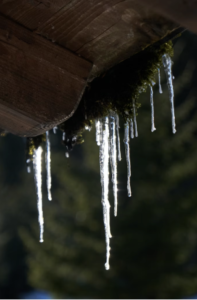 Minnesota winters can cause serious roofing issues like ice dams, which form when melting snow refreezes at roof edges, blocking drainage and causing leaks, insulation damage, and water stains. Often unnoticed until damage appears, ice dam prevention is key. Since 2004, A to Z Construction Inc. has helped Minnesota homeowners prevent and repair winter roof wear with reliable, high-quality roofing services.
Ice Dam Prevention Guidelines
Ice dams form when warm air escapes from the attic, heating parts of the roof unevenly. Snow in these warmer areas melts and flows downward, only to refreeze at the colder roof edge. This creates a barrier that traps additional melting water, which can eventually seep under shingles and damage the roof deck. Homeowners can greatly reduce the risk of damage by following these practical ice dam prevention steps:
- Improve attic insulation: Proper insulation helps keep heat inside the home instead of warming the roof surface. When attic temperatures remain stable, snow is less likely to melt unevenly and refreeze at the roof edge. Adding insulation in key areas or upgrading older materials can make a noticeable difference in preventing ice dams.
- Seal attic air leaks: Warm air escaping through gaps around vents, wiring, or recessed lighting can create hot spots on the roof. Sealing these openings helps maintain consistent roof temperatures and prevents uneven snowmelt that leads to ice dams. Even small cracks or openings can contribute to larger problems if left unaddressed.
- Maintain proper attic ventilation: Good ventilation allows cold air to circulate through the attic, preventing the roof deck from warming and reducing the conditions that lead to ice dam formation. Installing ridge vents, soffit vents, or gable vents ensures airflow is balanced to keep the roof surface cooler throughout winter.
- Remove heavy snow buildup: Safely clearing excess snow from the roof after large storms reduces the amount of melting snow that could contribute to ice dams. Using roof rakes or hiring professionals for high roofs can prevent injury while keeping the roof safe from ice-related damage.
- Schedule a professional roof inspection: Roofing professionals can identify ventilation issues, insulation gaps, or shingle damage that may increase the likelihood of ice dams. Early detection and corrective measures can save homeowners significant storm damage repair costs to extend the life of their roof.
Schedule Professional Roof Ice Dam Repair
If you notice winter roof damage, don’t wait for leaks to worsen. A to Z Construction Inc. offers expert roof ice dam repair and exterior services for Minnesota homeowners. With over 20 years of experience and hundreds of satisfied customers, our team delivers quality craftsmanship and reliable service. Protect your home this winter with professional ice dam prevention and repair by scheduling an inspection on our site or calling us at 763-424-1884.
The Outlook on Roof Repair Cost in 2026
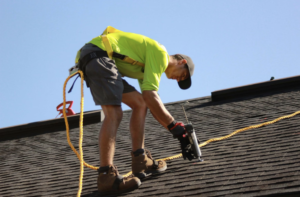
Roof problems can arise unexpectedly, and repair costs often vary based on the type and severity of the damage. In 2026, typical roof repair costs in the United States range from about $350 to $1,900, with an average cost near $1,150. Pricing is often influenced by factors such as weather conditions, roof design, and the materials used. Since 2004, A to Z Construction Inc., a family-owned Minnesota contractor, has helped homeowners address roofing concerns with dependable residential roofing and storm damage services.
What Affects Roof Repair Cost?
Roof repair cost can vary widely because every roof is unique, and the type and extent of damage differ from home to home. Factors like roof size, material, slope, and local weather conditions all influence the final average roof repair cost. Knowing what typically drives costs also allows you to make informed decisions to protect your home efficiently. Continue reading to learn more about the average roof repair cost price breakdown:
- Minor repairs ($150–$450): Small issues, such as replacing a few missing shingles, resealing flashing around vents, or patching tiny leaks, are usually quick and require minimal materials and labor. Even minor repairs can prevent more extensive damage if addressed promptly.
- Moderate repairs ($400–$1,900): Common repairs in this range include fixing leaks, repairing flashing, or replacing damaged sections of shingles. Costs vary depending on the size of the affected area, labor time, and whether multiple repair techniques are needed for proper waterproofing and structural integrity.
- Major roof repairs ($2,000–$6,500+): Large-scale issues such as structural damage and extensive leaks often require significant materials and careful coordination. These repairs may also involve reinforcing roof decking or replacing multiple layers of shingles to restore safety and durability.
- Roofing material type: Asphalt shingles are typically the most cost-effective to repair, while specialized materials e require specialized labor and additional materials. This can significantly increase repair costs.
- Roof pitch and accessibility: Steep or multi-story roofs need extra safety equipment, scaffolding, or extended labor time. These factors all contribute to higher repair prices. Additionally, difficult access areas may also slow the repair process.
- Storm damage severity: Wind, hail, or heavy snow can damage multiple areas simultaneously. Extensive damage often requires additional inspections, materials, and labor, increasing the total repair cost.
- Emergency service needs: Repairs needed immediately after storms, sudden leaks, or active water intrusion often involve premium labor rates and expedited scheduling, which can raise overall costs.
Request a Professional Roof Repair Estimate
If you suspect roof damage, schedule a professional inspection to understand your options and roof repair cost. A to Z Construction Inc. helps Minnesota homeowners with roofing repairs, storm restoration, and exterior improvements. Don’t let minor issues become costly. Visit our website or call us today at 763-424-1884 for a detailed roof repair estimate.
A Winter Guide to When to Remodel a Bathroom
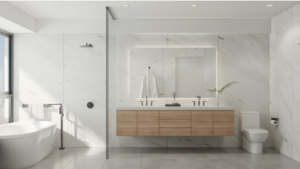
Wondering when to remodel a bathroom? Winter is often considered an ideal time, as contractors have more scheduling flexibility and homeowners can coordinate upgrades while indoors. Bathroom renovations improve comfort, address outdated fixtures or layouts, and boost home value. Since 2004, A to Z Construction Inc., has helped homeowners complete stunning bathroom remodels with reliable craftsmanship and strong customer satisfaction.
Planning When to Remodel a Bathroom
If you’re considering when to remodel a bathroom, knowing how to plan a renovation can make the process smoother and more efficient. Careful planning helps prevent delays and ensures your final design matches your goals, budget, and timeline. Winter bathroom remodeling projects deliver results that improve both comfort and property value with this recommended preparation roadmap:
Step 1 — Define your remodeling goals: Start by identifying what bathroom improvements you would like to make. Some homeowners focus on updating style with new tile, lighting, and fixtures, while others prioritize functionality, storage, accessibility, or creating a spa-like retreat.
Step 2 — Set a realistic budget: Determine how much you want to invest in the renovation. Budgeting early helps guide decisions about materials, layout changes, fixture upgrades, and unexpected expenses. Including a contingency for unforeseen issues ensures the project stays on track financially.
Step 3 — Create a design plan: Consider the layout, color palette, and materials that fit your vision. Popular updates include walk-in showers, modern vanities, improved lighting, built-in storage, and durable tile surfaces that resist moisture. Sketching or using digital design tools can help visualize the final space.
Step 4 — Choose quality materials: Bathrooms experience constant humidity and daily use, so selecting durable, water-resistant flooring, high-quality fixtures, and properly installed tile ensures long-term performance. Opting for materials that are both stylish and easy to maintain reduces future repairs and upkeep.
Step 5 — Hire an experienced contractor: Working with a professional remodeling team helps prevent costly mistakes and ensures plumbing, electrical, and structural components are installed correctly. Experienced contractors can also provide design guidance, source materials efficiently, and keep the project on schedule.
Step 6 — Schedule the project during winter: Starting your renovation in winter allows the project to finish before spring home improvement projects begin, giving you priority scheduling and reducing delays. Winter remodeling often allows contractors more flexibility to focus on interior work.
Step 7 — Prepare for the renovation process: Clear the work area and plan for temporary bathroom use if needed. You should additionally communicate clearly with your contractor about timelines, expectations, and any special considerations. Preparing in advance helps minimize disruption to keep the project running smoothly.
Plan Your Dream Bathroom Remodel This Winter
If you’re considering when to remodel a bathroom, winter is a great time to start preparing. A to Z Construction Inc. offers professional bathroom remodeling, shower upgrades, tile installation, and interior renovations for Minnesota homeowners. Our team knows how to plan a bathroom renovation, transforming ideas into spaces homeowners enjoy for years. Fill out our contact form or call us at 763-424-1884 today to begin creating your winter renovation project in Hennepin County.
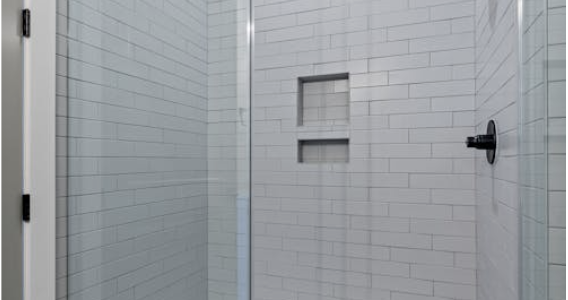
Walk-In Shower Vs Tub: Find the Right Fit for Your Bathroom
Choosing between a walk-in shower and a traditional bathtub is one of the most impactful decisions in a bathroom remodel. Both options offer unique benefits, and the right choice depends on how you use the space, who lives in the home, and your long-term plans. At A to Z Construction, we help homeowners understand the real-world differences in the walk-in shower vs tub debate so they can invest confidently in a bathroom that fits both lifestyle and resale goals.
Walk-In Shower vs Tub — The Great Debate
When evaluating walk-in shower vs tub options, it’s important to look beyond appearance. Safety, maintenance, space, and daily usability all play a role in determining the best fit for your home. Continue reading to learn more about the pros and cons of shower vs tub features:
- Accessibility, Safety, and Ease of Use: Walk-in showers offer a major advantage in accessibility, especially with low-threshold or curbless designs that reduce trip hazards and support aging in place. Grab bars, benches, and handheld showerheads further enhance safety. Traditional tubs, while comfortable, require stepping over a high wall, which can be challenging for older adults or anyone with limited mobility. However, tubs remain practical for bathing young children and can still be made safer with slip-resistant surfaces and grab bars.
- Space Efficiency and Bathroom Layout: Walk-in showers tend to maximize usable space and can make smaller bathrooms feel more open and modern. Traditional tubs typically take up more floor space and can limit layout flexibility, especially in compact bathrooms. That said, tubs can fit well in larger bathrooms where space allows for a dedicated bathing area without crowding.
- Design Style and Customization Options: Walk-in showers offer extensive design flexibility, from custom tile patterns and built-in niches to sleek glass enclosures and contemporary finishes. They pair well with modern, luxurious bathroom styles. Traditional tubs lean toward a classic aesthetic, though freestanding and upgraded soaking tubs can also make a strong design statement. The choice often comes down to whether you prefer a streamlined look or a timeless, traditional feel.
- Maintenance and Cleaning Requirements: Walk-in showers generally require less maintenance, with fewer surfaces and easier drainage when properly installed. However, poor slope or installation can lead to water issues. Traditional tubs involve more surface area to clean and can retain water, making upkeep more time-consuming. Still, tubs with simple surrounds can be durable and easy to maintain over the long term.Learn More About Bathroom Remodeling
Learn More About Bathroom Remodeling
With over 20 years in business and hundreds of positive reviews, A to Z Construction brings trusted expertise to every bathroom remodel. As a family-owned and operated company, we focus on quality workmanship and customer satisfaction. Whether you’re weighing the pros and cons of shower vs tub, deciding between a walk-in shower vs tub, or planning a complete shower renovation, our team is ready to help. Contact A to Z Construction at 763-424-1884 or reach out online today to schedule your consultation. We’ll create a bathroom designed for your home—and your future!
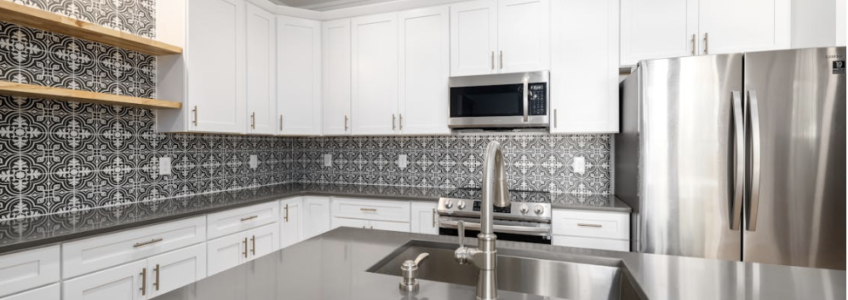
The Right Interior Tile Selected for Each Room
Tile plays a major role in both the appearance and performance of your home. While many homeowners focus on color or pattern, the most important factor is choosing a tile that matches the demands of each room. Moisture levels, foot traffic, and maintenance needs vary from space to space, and the wrong tile choice can lead to cracking, staining, or safety issues. At A to Z Construction, we guide homeowners through interior tile options to ensure lasting durability and style.
Selecting Interior Tile Options By Room
Each area of your home benefits from a specific type of tile based on how it’s used. Understanding these key differences helps you make smarter design and performance decisions. Learn more about the optimal tile options for the specific space you are creating below:
- Bathroom Tile: Bathrooms require tile that can handle constant moisture, humidity, and temperature changes. Porcelain and ceramic are the most reliable choices for showers, tub surrounds, and bathroom floors because they are non-porous and easy to maintain. When choosing interior tile for your bathroom, slip resistance is just as important as appearance. Textured or matte finishes provide better traction, especially on floors. Smaller tiles also increase grout lines, which helps reduce slipping. Natural stone can further add a high-end look but requires sealing and routine upkeep to prevent water damage.
- Kitchen Tile: Kitchens demand durability and stain resistance. Porcelain tile performs exceptionally well on kitchen floors because it holds up to heavy foot traffic, dropped items, and frequent cleaning. Ceramic tile also works well for backsplashes, offering design flexibility and easy maintenance. Homeowners should also consider grout color and sealing, as kitchens are prone to spills and splashes.
- Floor Tile: Floor tiles must support weight, movement, and daily wear. Porcelain is one of the strongest options and works well in high-traffic areas such as hallways, kitchens, and entryways. Ceramic tile can be used in lower-traffic spaces, while natural stone offers a timeless look when properly maintained. Choosing a textured surface improves safety in areas where moisture may be present.
- Wall Tile: Wall tiles allow more freedom in style because they don’t bear weight. Ceramic, glass, and mosaic tiles are popular choices for accent walls, shower surrounds, and kitchen backsplashes. These tiles add visual interest and depth while remaining easy to clean. However, wall tile is not designed for floor use and should be installed accordingly.
Trust Us for Professional Tile Installation
Choosing the right interior tile is only part of the process—proper installation makes all the difference. With over 20 years of experience, a strong reputation, and hundreds of positive reviews, A to Z Construction delivers quality craftsmanship and dependable results. Whether you’re learning how to select bathroom tiles or planning a full interior upgrade, our team ensures your tile looks great and performs for years to come. Contact our team of experts online or call us at 763-424-1884 today to schedule your consultation.
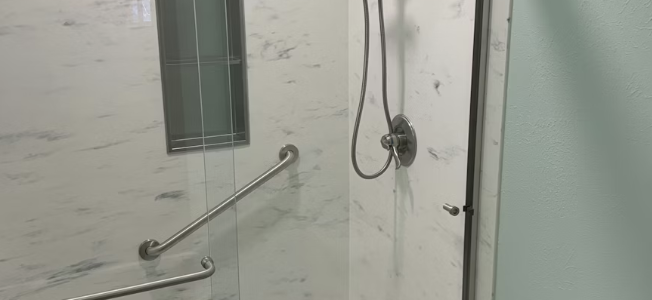
Showers for Seniors Explained for Safety & Accessibility
As homeowners plan for aging in place, bathroom safety becomes one of the most important considerations. Slips and falls often happen in the shower, where water, smooth surfaces, and limited balance create added risk. Fortunately, thoughtful design upgrades can dramatically improve safety without sacrificing comfort or style. At A to Z Construction, we specialize in showers for seniors that support independence while meeting modern accessibility standards. With the right features in place, a shower can feel secure, functional, and easy to use for years to come.
Showers for Seniors | Safety Features
Creating a safer shower starts with practical design choices that reduce fall risks and support mobility. These senior friendly bathroom designs offered by A to Z Construction focus on stability, accessibility, and ease of use:
- Grab Bars for Stability and Confidence: Properly installed grab bars provide critical support when entering, exiting, or standing in the shower. Unlike towel bars, grab bars anchor directly into wall framing and support full body weight. Placement matters just as much as installation. Vertical bars near the entrance help with stepping in, while horizontal bars along the back or side walls offer balance during showering. When designed correctly, grab bars blend seamlessly into the space while offering reliable safety.
- Low or Zero-Threshold Shower Entries: Stepping over a traditional tub or high shower curb increases fall risk for seniors. Low-threshold or curbless showers for seniors allow for easy entry and exit, making them ideal for aging in place. These designs also accommodate walkers or wheelchairs if mobility needs change over time. Proper slope and drainage additionally ensures water stays contained without compromising accessibility.
- Built-In Shower Seating: Standing for long periods can be challenging for many seniors. A built-in shower bench or seat provides a safe place to sit while bathing, reducing fatigue and improving stability. Permanent seating offers greater strength and reliability than temporary stools. Benches can also be customized in size, height, and placement to match the user’s needs while maintaining a clean, modern appearance.
- Slip-Resistant Flooring: Smooth surfaces become hazardous when wet. Textured or slip-resistant tile improves traction to help prevent falls. Smaller tiles with additional grout lines also increase grip underfoot. Choosing the right flooring is a simple but effective way to enhance safety in showers for seniors.
- Easy-to-Reach Controls and Fixtures: Shower controls should be accessible from both standing and seated positions. Lever-style handles are easier to use than traditional knobs, especially for those with limited hand strength. Handheld showerheads add flexibility and reduce unnecessary movement.
Find Safe, Accessible Bathroom Remodeling Options Today!
With over 20 years of experience and hundreds of positive reviews, A to Z Construction delivers quality-driven bathroom solutions tailored to real-life needs. We design and install senior friendly bathroom designs that prioritize safety, comfort, and long-term usability. If you’re planning to upgrade your shower for aging in place, our team is here to help. Visit our website or reach us by phone at 763-424-1884 to schedule a consultation. Let’s create a safer shower with confidence together!
Frameless, Sliding, Hinged | The Best Shower Doors Features Explained
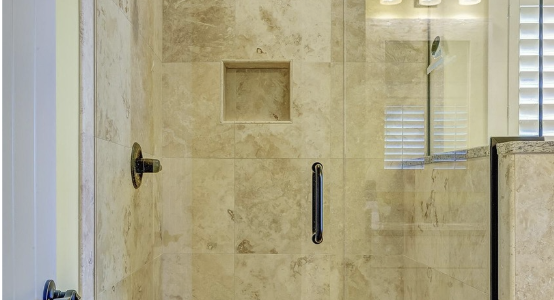
The best shower doors do more than keep water contained—they influence how your bathroom looks, feels, and functions everyday. With several design options available, homeowners often struggle to decide which style fits their space and budget. The best shower doors balance appearance, cost, and layout without sacrificing durability or ease of use. At A to Z Construction, we guide homeowners through the decision-making process by comparing today’s most popular shower door styles and helping them choose the option that best fits their bathroom, lifestyle, and long-term needs.
Comparing the Best Shower Doors
When choosing the best shower doors for your needs, it’s important to think beyond appearance. The right option should complement your bathroom’s layout, fit your budget, and align with your maintenance preferences. Here is a feature-by-feature comparison to help you see how frameless, sliding, and hinged shower doors stack up:
- Style and Visual Impact: Frameless doors offer the most modern, open look with minimal hardware and thick glass panels that make bathrooms feel larger and brighter. Sliding doors have more visible framing and tracks, creating a practical but slightly less seamless appearance. Hinged doors fall somewhere in between, offering either framed or frameless designs that can feel classic or contemporary depending on the finish.
- Space and Layout Considerations: Bathroom size often drives this decision. Sliding doors work especially well in compact layouts because they glide along a track rather than swinging outward. Hinged options require clearance to open fully, making them better suited for larger bathrooms. Frameless configurations typically follow the same swing requirements as hinged models and also depend on sturdy wall support for proper anchoring.
- Investment and Installation Needs: Costs vary based on materials, glass thickness, and installation complexity. Sliding doors are often the most economical choice. Hinged models fall into a flexible mid-range depending on framing details. Frameless doors usually represent a higher investment due to custom measurements, heavier glass, and the precision required for a secure, watertight fit.
- Cleaning and Long-Term Maintenance: Designs with fewer metal components generally require less upkeep. Frameless glass panels are easier to wipe down without tracks or bulky framing. Sliding doors need periodic attention to keep tracks free of soap residue and buildup. Hinged doors are relatively simple to maintain, though framed edges may require occasional detailed cleaning.
- Performance and Water Control: All styles can perform well when properly installed, but their mechanics differ. Sliding systems naturally contain water within their track design. Hinged and frameless doors depend more heavily on correct alignment and sealing to prevent leaks, making professional installation especially important for long-term durability.
Schedule a Consultation Today!
As a family-owned and operated business, A to Z Construction has helped homeowners choose and install the best shower doors for their space, style, and budget for over 20 years. Give us a call at 763-424-1884 or visit our website today to schedule your consultation, so we can help you find the best doors for your shower to meet your specific bathroom desires.
Save Time & Money | Bathroom Remodel Mistakes to Avoid
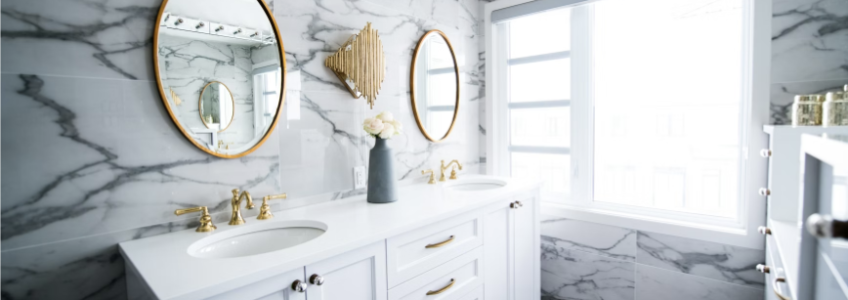
A to Z Construction Inc. helps homeowners turn design ideas into a reality. With more than 20 years in business, hundreds of positive reviews, and a reputation built on quality and customer satisfaction, our team knows what makes a bathroom remodel succeed — or fail. Many of the remodeling pitfalls we see come from avoidable planning and construction errors. Knowing the most common bathroom remodel mistakes upfront can save time, money, and long-term frustration.
Common Bathroom Remodel Mistakes
Before diving into a renovation, it’s important to understand where homeowners often make bathroom remodel mistakes. The bathroom may be one of the smallest rooms in the house, but it involves complex systems, moisture control, and daily functionality. The following remodeling pitfalls account for the majority of issues we correct for new clients—and they’re all preventable with the right guidance:
- Ignoring layout and clearance requirements: Poor layouts limit movement, block doors, and crowd fixtures. Homeowners often focus on looks instead of flow, placing vanities or toilets too close together. Thoughtful planning preserves functionality while maintaining aesthetic appeal throughout the bathroom.
- Choosing cheap or incorrect material: Budget materials may look appealing initially, but they wear out quickly in high-moisture environments. Low-quality flooring, cabinets, or tile adhesives can warp, crack, or fail. Durable, water-resistant materials deliver better performance with fewer repairs.
| - Poor lighting planning: Bathrooms need layered lighting for safety and function. Relying on a single overhead fixture creates shadows and limits visibility. Task lighting around mirrors and balanced ambient light improve daily use and overall comfort.
- Underestimating ventilation needs: Inadequate ventilation traps moisture, leading to mold, peeling paint, and structural damage. Many remodels reuse old fans that can’t handle increased humidity. A properly sized, correctly vented exhaust system protects your investment and indoor air quality. Skimping on ventilation also allows lingering odors and excessive condensation, which accelerates wear on fixtures, cabinetry, and finishes. Homeowners should invest in high-quality ventilation to ensure a healthier bathroom environment for everyone in the home.
- Overlooking plumbing realities: Moving plumbing without proper planning drives up costs and increases risk. Homeowners often underestimate how fixture relocation affects drains, vents, and water lines. Strategic design conveniently works with existing systems whenever possible.
- Treating a bathroom remodel as a DIY project: Bathrooms involve electrical, plumbing, waterproofing, and code compliance. DIY mistakes often lead to leaks, failed inspections, and expensive corrections. Professional oversight prevents small errors from becoming major potential setbacks.
Start Your Bathroom Remodel the Right Way
Avoiding these bathroom remodel mistakes requires experience, planning, and attention to detail. At A to Z Construction Inc., we guide homeowners through every decision — from layout and materials to ventilation and installation — to eliminate common remodeling pitfalls before construction begins. If you’re planning a bathroom remodel in Maple Grove, contact A to Z Construction online or call us at 763-424-1884. We will help you build a space that lasts.
How to Still Feel Luxurious with an Eco-Friendly Bathroom Remodel
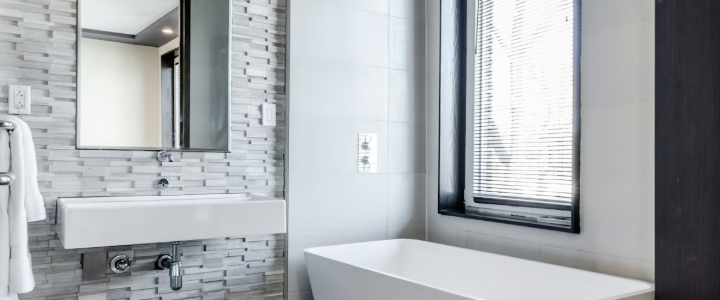
An eco-friendly bathroom remodel doesn’t mean sacrificing style — it means designing smarter with materials and systems that reduce waste, conserve resources, and perform better over time. A to Z Construction Inc. helps customers transform bathrooms with purpose, durability, and long-term value in mind. With over 20 years in the business, our team understands how thoughtful construction choices affect comfort, costs, and the environment.
Key Elements to an Eco-Friendly Bathroom Remodel
Sustainable bathroom design starts with informed decisions during planning. Bathrooms use large amounts of water and energy every day, so even small upgrades can make a meaningful impact. Below are the key elements that define an eco-friendly bathroom remodel:
- Water-efficient fixtures that reduce daily waste: Low-flow and WaterSense-labeled faucets, showerheads, and toilets dramatically cut water usage without compromising performance. These fixtures can reduce water consumption by 30 percent or more, lowering utility bills while supporting long-term conservation goals.
- Eco-conscious bathtub and shower materials: Sustainable bathroom design prioritizes durability and recyclability. Sustainable materials like cast iron, steel, and high-quality acrylic last longer, retain heat efficiently, and reduce the need for early replacement. Choosing long-lasting products minimizes landfill waste and frequent maintenance costs.
- Recycled and responsibly sourced tile: Recycled glass, porcelain, or composite tiles give homeowners stylish options while repurposing existing materials. These tiles often require less energy to produce and add unique texture and color, making sustainability a design feature rather than a limitation.
- Energy-efficient lighting solutions: LED lighting uses significantly less energy than traditional bulbs. This helps them last far longer than traditional bulbs, reducing both electricity bills and environmental impact. Layered lighting plans that thoughtfully combine task, ambient, and accent lighting reduce electricity consumption throughout the life of the bathroom.
- Low-VOC paints and finishes: Many conventional paints and sealants release volatile organic compounds that negatively affect indoor air quality and long-term health. Low-VOC options create a healthier home environment for family members, while still offering excellent durability, moisture resistance, and a wide selection of modern color choices to suit any bathroom design.
- Smart ventilation systems: Efficient exhaust fans reduce moisture buildup, protect building materials, and improve air quality. Energy-efficient ventilation supports both sustainability and long-term structural health.
- Professional planning over DIY shortcuts: Sustainable results require proper installation, plumbing knowledge, and code compliance. Professional contractors help homeowners avoid costly mistakes, wasted materials, and inefficient systems that undermine eco-friendly goals.
Schedule Your Remodel Consultation Today
An eco-friendly bathroom remodel works best when sustainability, functionality, and craftsmanship align. A to Z Construction Inc. guides Osseo homeowners through every decision, from selecting water-saving fixtures to choosing durable, responsible materials. If you’re ready to invest in a greener, smarter bathroom that adds long-term value to your home, visit our website or call us today at 763-424-1884 to schedule a professional consultation today.