
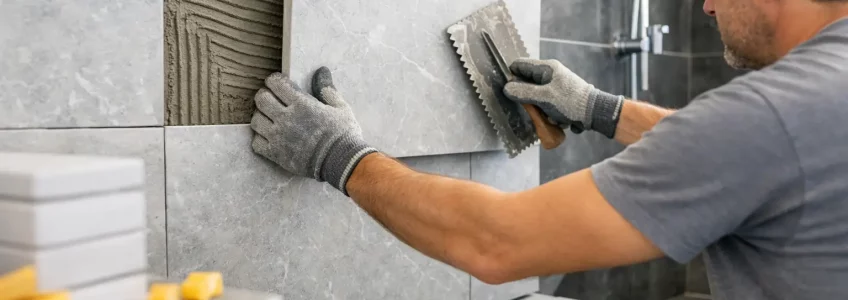
A shower can look clean on day one and still be headed for trouble. The difference usually is not the tile you see. It is the waterproofing, prep work, and installation standards underneath it.
That is why shower tile installation deserves more attention than many homeowners give it. A beautiful pattern, premium tile, and fresh fixtures will not make up for poor slope, weak substrate, or shortcuts around corners and niches. In a bathroom, small mistakes have a way of turning into expensive repairs.
Why shower tile installation is more than a finish choice
Many people start with style. They think about large-format tile, a classic subway layout, or a bold floor mosaic. Those decisions matter, but tile is only one layer in a system that has to manage water every single day.
A properly built shower needs a stable surface, a reliable waterproofing method, the right mortar, clean layout planning, and careful finishing. If one part is off, the whole assembly is at risk. Cracked grout, loose tile, mildew smell, soft drywall outside the shower, or water staining below are often signs that the problem started long before the final tile went up.
For homeowners planning a remodel, this is where experience matters. Good installation is not about working fast. It is about building the shower so it performs for years.
What happens before tile goes on the wall
The prep stage is where most of the important decisions are made. If the framing is out of plumb, the walls need to be corrected before tile starts. If the shower pan is not properly sloped, water will not drain as it should. If the backing material is wrong, moisture can work its way into areas that should stay dry.
Substrate and framing have to be right
Tile does not hide structural problems. In fact, it tends to reveal them. Uneven walls create lippage, where one tile edge sits higher than the next. Weak or flexible framing can lead to cracked grout lines and movement over time.
An experienced installer checks the framing, confirms flatness, and uses approved tile backer materials in wet areas. That may include cement board or a tile-ready waterproof board system, depending on the design and product approach. The key is compatibility. The components need to work together as a complete shower system, not as a mix of leftover materials.
Waterproofing is the real line of defense
This is the part homeowners rarely see once the job is complete, and it is the part that matters most. Tile and grout are not the waterproof layer by themselves. Water can pass through them. The shower still needs a dedicated waterproofing system behind or directly beneath the tile surface.
That can involve a sheet membrane system or a liquid-applied waterproofing product when used correctly. Benches, niches, corners, curbs, and plumbing penetrations all need special attention. Those are common failure points when installers rush or skip steps.
If you are comparing bids, this is one place to ask questions. A lower price sometimes means less prep, fewer waterproofing details, or a shortcut in the pan assembly. That can save money upfront and cost much more later.
Layout matters more than most people expect
A shower can be technically sound and still look off if the layout is poorly planned. Good shower tile installation balances performance with appearance.
Tile layout affects where cuts land, how corners line up, and whether focal points feel intentional. A centered back wall, even spacing around a niche, and consistent grout joints can make a standard tile look high-end. On the other hand, awkward slivers at the ceiling or uneven transitions can make expensive materials look rushed.
Tile size changes the installation approach
Large-format tile has become a popular choice because it creates a clean, modern look with fewer grout lines. It can work very well in showers, but it also demands flatter walls and tighter installation standards. Even slight irregularities show up quickly.
Smaller tile is often a practical choice for shower floors because it conforms better to slope and provides more traction. That is why many showers pair larger wall tile with mosaic or smaller-format floor tile. It is not just a design move. It is often the smarter functional choice.
This is one of those areas where it depends on the space. A dramatic oversized tile may look great on a showroom board, but the actual shower dimensions, drain location, and wall conditions should guide the final decision.
The details that separate a lasting job from a quick one
Homeowners often notice color and pattern first. Installers notice edges, transitions, slope, and movement joints. Those details are what make the shower hold up.
Grout selection matters. So does proper spacing. Some applications call for sanded grout, others for unsanded or higher-performance grout products. The right choice depends on joint width, tile type, and usage. Sealing may also be recommended depending on the material.
Movement joints are another overlooked point. Bathrooms expand and contract with moisture and temperature changes. Certain transition areas should be treated to allow for that movement rather than locked rigidly with grout alone. Skipping that step can lead to cracking over time.
Then there is drainage. Shower floors and horizontal surfaces need the right slope so water moves to the drain instead of sitting in corners or on a bench. A shower that always looks wet hours later is not just annoying. It may signal a problem in the installation.
Repair or replace? It depends on the problem
Some homeowners ask whether they need a full tear-out or just tile repair. The answer depends on what failed.
If a few cracked grout joints or isolated loose tiles are caused by impact or age, a targeted repair may be enough. But if water has reached the framing, if the shower pan was built incorrectly, or if there is widespread movement behind the tile, patching the surface usually only delays a bigger issue.
A trustworthy contractor should be honest about that difference. Surface symptoms do not always tell the full story. Sometimes the smartest investment is a properly rebuilt shower rather than repeated cosmetic fixes.
How to choose the right contractor for shower tile installation
Not every tile installer approaches showers the same way. Some are strong on appearance but weak on moisture management. Others understand the technical side but do not pay close attention to finish quality. You need both.
Look for a contractor who talks clearly about substrate prep, waterproofing, drain slope, and product compatibility, not just tile style. Ask how corners, niches, and curbs are waterproofed. Ask what happens if hidden damage is found after demolition. Ask who is responsible for protecting the rest of the home during the work.
That matters in an occupied house, especially during a bathroom remodel. Professional crews should keep the job organized, protect adjacent areas, and communicate clearly about schedule and next steps. Homeowners are not just buying tile work. They are hiring a process.
For Twin Cities homeowners, that local experience also matters. Seasonal humidity, older housing stock, and varying bathroom layouts can all affect how a project should be planned. A contractor with real remodeling experience will know how to adapt without cutting corners.
The best shower is the one built to last
A well-designed shower should feel solid, drain properly, stay easier to clean, and still look right years from now. That only happens when the installation is treated as a system instead of a surface upgrade.
At A to Z Construction, that is the standard behind bathroom remodeling work. The goal is not just a fresh look. It is a shower built with the right prep, professional waterproofing, and craftsmanship that protects your home as well as improves it.
If you are planning a shower update, slow down long enough to ask what is behind the tile. That is where the real value is, and it is what turns a remodel into a long-term improvement.