
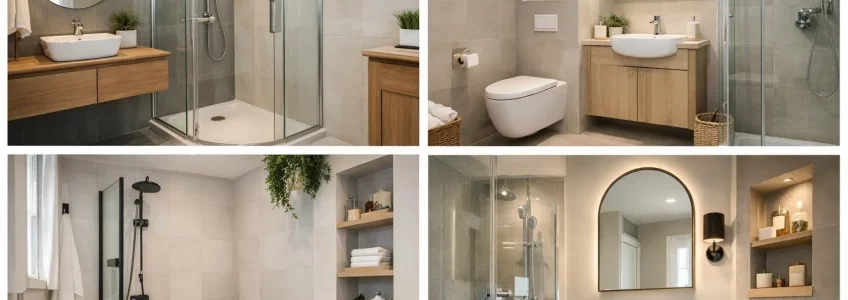
A small bathroom gets frustrating fast when the layout wastes inches, storage is an afterthought, and every surface shows wear. The good news is that the best small bathroom remodel ideas are not about cramming in more features. They are about making the room feel easier to use, easier to clean, and more valuable to your home.
In most homes, the bathroom footprint is fixed. You usually are not adding square footage, so the remodel has to work harder with what is already there. That means every decision matters, from the vanity depth to the shower glass to the size of the floor tile. Done well, a small bathroom can feel clean, bright, and surprisingly comfortable without turning into an oversized project.
Small bathroom remodel ideas start with layout
Before choosing tile or paint, look at how the room functions. A cramped bathroom often has less to do with the actual size and more to do with where things sit. A door that swings into the vanity, a toilet placed too close to the tub, or a bulky cabinet can make the room feel tighter than it is.
Sometimes the smartest remodel move is keeping plumbing where it is and improving everything around it. That usually saves money and reduces construction time. In other cases, moving a vanity or replacing a tub with a shower creates enough usable space to change the entire room. It depends on how you use the bathroom now. A hall bath for kids has different needs than a primary bathroom used every day by two adults.
If your current layout creates constant bottlenecks, fix that first. Better traffic flow will do more for a small bathroom than expensive finishes ever will.
Choose a vanity that fits the room
One of the most common mistakes in small bathroom remodeling is installing a vanity that looks good in a showroom but overwhelms the space at home. Width matters, but depth is often the bigger issue. A shallower vanity can open up walking room without giving up much storage.
Wall-mounted vanities are worth considering when you want a lighter visual look. Because they leave floor space visible underneath, the room can feel larger. They also make cleaning easier. The trade-off is that they may offer less enclosed storage than a full base cabinet, so this choice works best when you have a medicine cabinet, linen storage nearby, or a simple daily routine.
If storage is a top priority, a compact vanity with deep drawers usually works better than one with a pair of small cabinet doors. Drawers make the most of limited space and reduce the clutter that builds up under sinks.
Rethink the tub-shower decision
For many homeowners, this is the biggest decision in a small bathroom remodel. If the bathroom has an old tub that rarely gets used, replacing it with a walk-in shower can free up visual and functional space right away. A glass shower enclosure keeps sightlines open and often makes the room feel less boxed in.
That said, removing the only tub in the house is not always the right move. Families with young children and some future buyers still value having at least one bathtub. If this is your only full bathroom, think carefully before converting it. If the home already has another tub, a shower-only setup can be a very practical upgrade.
A curbless or low-threshold shower is another option worth considering. It creates a cleaner look and can improve accessibility, especially for homeowners planning to stay in the home long term.
Use tile to make the room feel bigger
Tile selection has a bigger effect on perceived space than many people expect. In a small bathroom, too many busy patterns or abrupt changes in material can make the room feel chopped up. A simpler tile scheme usually works better.
Larger format floor tile often helps a small room feel more open because there are fewer grout lines breaking up the surface. On shower walls, running tile vertically can draw the eye upward and make the ceiling seem taller. Running tile continuously from the bathroom floor into the shower can also help the space read as one connected area.
Light colors are a reliable choice, but that does not mean the bathroom has to feel plain. Warm whites, soft grays, muted greige tones, and natural stone looks can add depth without making the room feel closed in. If you want a bolder style, it often works best as one controlled feature, such as a shower niche accent or statement floor, rather than everywhere at once.
Let lighting do more of the work
Bad lighting makes a small bathroom feel even smaller. It also makes everyday tasks more annoying than they need to be. A single overhead light in the center of the room is rarely enough.
The most effective approach layers light where it matters. Vanity lighting should make faces visible without harsh shadows. Recessed ceiling lights can brighten the overall room. In some bathrooms, a lighted mirror adds both function and a cleaner modern look.
If there is any opportunity to bring in natural light, it is usually worth exploring. A larger window, privacy glass, or the right trim detail can make a major difference. In older Twin Cities homes, bathrooms sometimes feel enclosed simply because the finishes are dark and the lighting was never updated to match modern use.
Build storage into the walls when possible
Floor space is limited in a small bathroom, so built-in storage becomes more valuable. Recessed medicine cabinets, shower niches, and wall shelving between studs can add function without making the room feel crowded.
This is one of those remodel details that pays off every day. It keeps counters cleaner and reduces the need for freestanding storage pieces that eat up room. A recessed niche in the shower for shampoo and soap may seem minor on paper, but it helps eliminate caddies and clutter immediately.
Open shelving can work too, but only if you are realistic about maintenance. It looks great in styled photos. In real life, visible storage needs to stay organized or it quickly makes a small room feel busy.
Pick glass and mirrors strategically
Frameless shower glass is one of the most effective visual tools in a small bathroom. It allows the eye to travel farther, which helps the room feel larger. A shower curtain can still work on a budget, but it tends to break up the space more.
Mirrors matter for the same reason. A wider mirror above the vanity reflects more light and expands the feel of the room. In some layouts, taking the mirror all the way across the vanity is the right move. In others, especially with a more custom look, a framed mirror sized carefully to the cabinet and lighting creates better balance.
This is where good design and practical remodeling meet. The goal is not to make the room flashy. It is to make it feel open and well planned.
Keep fixtures scaled and consistent
In a small bathroom, oversized fixtures can work against you. A huge faucet, bulky light fixture, or extra-wide trim can make the room feel crowded. More often, the best result comes from clean lines and consistent finishes.
That does not mean everything has to match exactly, but there should be a clear plan. If you choose brushed nickel for the faucet, shower trim, and hardware, the room feels more pulled together. If every fixture is a different style or finish, the space can start to look accidental.
Consistency also helps when you are remodeling for long-term value. Bathrooms that feel current but not overly trendy tend to age better.
Spend where performance matters most
Not every part of the remodel needs a premium material. In a small bathroom, smart budgeting usually beats luxury in every corner. Waterproofing, tile installation, ventilation, and plumbing quality are the places to get right the first time.
This matters especially in Minnesota, where homes deal with seasonal moisture changes and older housing stock can hide problems behind walls or under flooring. A bathroom can look finished on the surface and still fail early if prep work was rushed. Honest pricing matters, but so does understanding what not to cut.
If the budget is tight, save on decorative extras before compromising on the shower system, underlayment, or exhaust fan. Good workmanship is what keeps a bathroom remodel looking good after the first year.
Small bathroom remodel ideas that hold value
The best small bathroom remodel ideas improve daily use first and resale second, but strong overlap exists. Buyers notice clean layouts, quality tile work, updated showers, and storage that makes sense. They also notice when a bathroom feels cheap, dark, or poorly planned.
That is why a practical remodel usually wins. A floating vanity may look sharp, but only if it still serves the household. A bold tile choice may add personality, but only if it does not overwhelm the room. A skilled contractor helps balance style, durability, and budget so the finished bathroom works in real life, not just in photos.
For homeowners planning a remodel, the smartest next step is not collecting more inspiration images. It is measuring the room honestly, deciding what frustrates you most, and building from there. A small bathroom does not need gimmicks. It needs good decisions, solid craftsmanship, and a plan that respects every inch.