
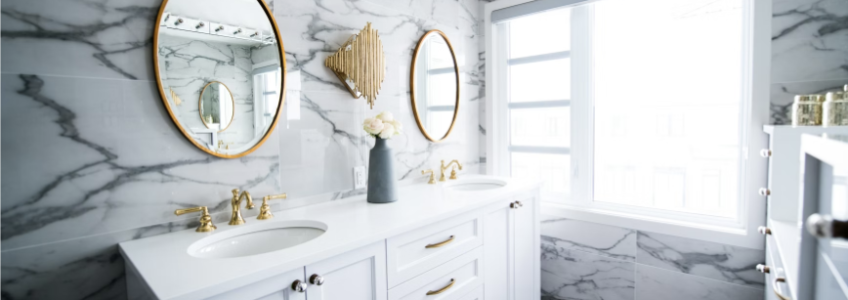
Save Time & Money | Bathroom Remodel Mistakes to Avoid
A to Z Construction Inc. helps homeowners turn design ideas into a reality. With more than 20 years in business, hundreds of positive reviews, and a reputation built on quality and customer satisfaction, our team knows what makes a bathroom remodel succeed — or fail. Many of the remodeling pitfalls we see come from avoidable planning and construction errors. Knowing the most common bathroom remodel mistakes upfront can save time, money, and long-term frustration.
Common Bathroom Remodel Mistakes
Before diving into a renovation, it’s important to understand where homeowners often make bathroom remodel mistakes. The bathroom may be one of the smallest rooms in the house, but it involves complex systems, moisture control, and daily functionality. The following remodeling pitfalls account for the majority of issues we correct for new clients—and they’re all preventable with the right guidance:
- Ignoring layout and clearance requirements: Poor layouts limit movement, block doors, and crowd fixtures. Homeowners often focus on looks instead of flow, placing vanities or toilets too close together. Thoughtful planning preserves functionality while maintaining aesthetic appeal throughout the bathroom.
- Choosing cheap or incorrect material: Budget materials may look appealing initially, but they wear out quickly in high-moisture environments. Low-quality flooring, cabinets, or tile adhesives can warp, crack, or fail. Durable, water-resistant materials deliver better performance with fewer repairs.
| - Poor lighting planning: Bathrooms need layered lighting for safety and function. Relying on a single overhead fixture creates shadows and limits visibility. Task lighting around mirrors and balanced ambient light improve daily use and overall comfort.
- Underestimating ventilation needs: Inadequate ventilation traps moisture, leading to mold, peeling paint, and structural damage. Many remodels reuse old fans that can’t handle increased humidity. A properly sized, correctly vented exhaust system protects your investment and indoor air quality. Skimping on ventilation also allows lingering odors and excessive condensation, which accelerates wear on fixtures, cabinetry, and finishes. Homeowners should invest in high-quality ventilation to ensure a healthier bathroom environment for everyone in the home.
- Overlooking plumbing realities: Moving plumbing without proper planning drives up costs and increases risk. Homeowners often underestimate how fixture relocation affects drains, vents, and water lines. Strategic design conveniently works with existing systems whenever possible.
- Treating a bathroom remodel as a DIY project: Bathrooms involve electrical, plumbing, waterproofing, and code compliance. DIY mistakes often lead to leaks, failed inspections, and expensive corrections. Professional oversight prevents small errors from becoming major potential setbacks.
Start Your Bathroom Remodel the Right Way
Avoiding these bathroom remodel mistakes requires experience, planning, and attention to detail. At A to Z Construction Inc., we guide homeowners through every decision — from layout and materials to ventilation and installation — to eliminate common remodeling pitfalls before construction begins. If you’re planning a bathroom remodel in Maple Grove, contact A to Z Construction online or call us at 763-424-1884. We will help you build a space that lasts.
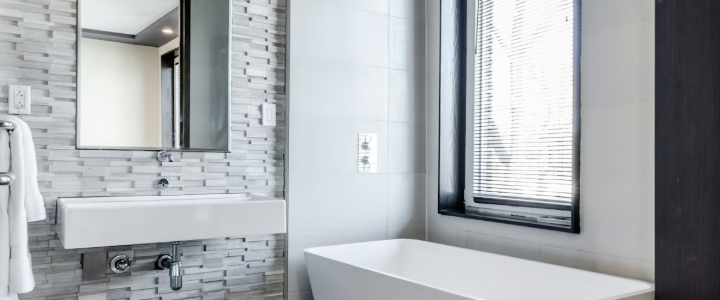
How to Still Feel Luxurious with an Eco-Friendly Bathroom Remodel
An eco-friendly bathroom remodel doesn’t mean sacrificing style — it means designing smarter with materials and systems that reduce waste, conserve resources, and perform better over time. A to Z Construction Inc. helps customers transform bathrooms with purpose, durability, and long-term value in mind. With over 20 years in the business, our team understands how thoughtful construction choices affect comfort, costs, and the environment.
Key Elements to an Eco-Friendly Bathroom Remodel
Sustainable bathroom design starts with informed decisions during planning. Bathrooms use large amounts of water and energy every day, so even small upgrades can make a meaningful impact. Below are the key elements that define an eco-friendly bathroom remodel:
- Water-efficient fixtures that reduce daily waste: Low-flow and WaterSense-labeled faucets, showerheads, and toilets dramatically cut water usage without compromising performance. These fixtures can reduce water consumption by 30 percent or more, lowering utility bills while supporting long-term conservation goals.
- Eco-conscious bathtub and shower materials: Sustainable bathroom design prioritizes durability and recyclability. Sustainable materials like cast iron, steel, and high-quality acrylic last longer, retain heat efficiently, and reduce the need for early replacement. Choosing long-lasting products minimizes landfill waste and frequent maintenance costs.
- Recycled and responsibly sourced tile: Recycled glass, porcelain, or composite tiles give homeowners stylish options while repurposing existing materials. These tiles often require less energy to produce and add unique texture and color, making sustainability a design feature rather than a limitation.
- Energy-efficient lighting solutions: LED lighting uses significantly less energy than traditional bulbs. This helps them last far longer than traditional bulbs, reducing both electricity bills and environmental impact. Layered lighting plans that thoughtfully combine task, ambient, and accent lighting reduce electricity consumption throughout the life of the bathroom.
- Low-VOC paints and finishes: Many conventional paints and sealants release volatile organic compounds that negatively affect indoor air quality and long-term health. Low-VOC options create a healthier home environment for family members, while still offering excellent durability, moisture resistance, and a wide selection of modern color choices to suit any bathroom design.
- Smart ventilation systems: Efficient exhaust fans reduce moisture buildup, protect building materials, and improve air quality. Energy-efficient ventilation supports both sustainability and long-term structural health.
- Professional planning over DIY shortcuts: Sustainable results require proper installation, plumbing knowledge, and code compliance. Professional contractors help homeowners avoid costly mistakes, wasted materials, and inefficient systems that undermine eco-friendly goals.
Schedule Your Remodel Consultation Today
An eco-friendly bathroom remodel works best when sustainability, functionality, and craftsmanship align. A to Z Construction Inc. guides Osseo homeowners through every decision, from selecting water-saving fixtures to choosing durable, responsible materials. If you’re ready to invest in a greener, smarter bathroom that adds long-term value to your home, visit our website or call us today at 763-424-1884 to schedule a professional consultation today.
Maximize Your Space with Small Bathroom Remodel Ideas
Small bathrooms can feel limiting, but with the right plan they can become some of the most functional (and best-looking) spaces in your home. The key is being intentional — choosing a smart layout, space-saving fixtures, and storage solutions that make every square foot work harder without sacrificing comfort or accessibility. That’s where expert guidance matters, especially when you’re trying to turn small bathroom remodel ideas into a finished space that feels open and practical.
A to Z Construction Inc. is a family-owned and operated Minnesota contractor founded in 2004, bringing decades of hands-on bathroom remodeling experience to help homeowners remodel with confidence and lasting quality.
Smart Small Bathroom Remodel Ideas
When space feels limited, design decisions matter even more. The most successful small bathroom remodel ideas focus on storage efficiency, lighting strategy, and choosing the right bathing option. Below are proven space-saving bathroom design solutions we regularly implement, with realistic before-and-after transformations in mind:
- Vertical and hidden storage solutions
Before: A pedestal sink with no storage and cluttered countertops made the bathroom feel tight and disorganized.
After: A wall-mounted vanity with drawers, recessed medicine cabinets, and open shelving above the toilet added storage without expanding the footprint. Vertical storage keeps essentials accessible while freeing floor space. - Floating vanities and wall-mounted fixtures
Before: A bulky floor-level vanity visually crowded the room and blocked natural movement.
After: A floating vanity opened sightlines, made cleaning easier, and created the illusion of more space. Wall-mounted faucets and toilets further streamlined the layout. - Lighting that expands visual space
Before: A single overhead light cast shadows and made the room feel enclosed.
After: Layered lighting transformed the space. Recessed ceiling lights, vanity task lighting, and a backlit mirror brightened the room evenly, making it appear larger and more welcoming. - Glass and reflective surfaces
Before: A shower curtain cut the room in half visually and blocked light.
After: A frameless glass shower enclosure allowed light to travel freely. Large-format tiles and glossy finishes reflected light, reducing visual clutter. - Shower vs. tub: choosing function over habit
Before: A full bathtub dominated the room but rarely saw use.
After: A walk-in shower with built-in niches, a bench, and sliding glass doors improved accessibility to reclaim valuable square footage. For households that need a tub, compact soaking tubs or tub-shower combos further offer balanced solutions. - Accessible design features that save space
Before: Tight clearances and narrow doorways limited usability.
After: Wider entries, curbless showers, and strategically placed grab bars created safer movement without sacrificing style. Accessible layouts often improve flow for all users, not just those with mobility needs.
Make Every Inch Count — Start Your Bathroom Remodel Today
Maximizing a small bathroom requires more than design inspiration—it demands experience, precision, and thoughtful execution. A to Z Construction Inc. specializes in space-saving bathroom design. If you’re ready to explore smart small bathroom remodel ideas and see what’s possible in your home, contact A to Z Construction online or call us at 763-424-1884 to schedule a professional consultation.
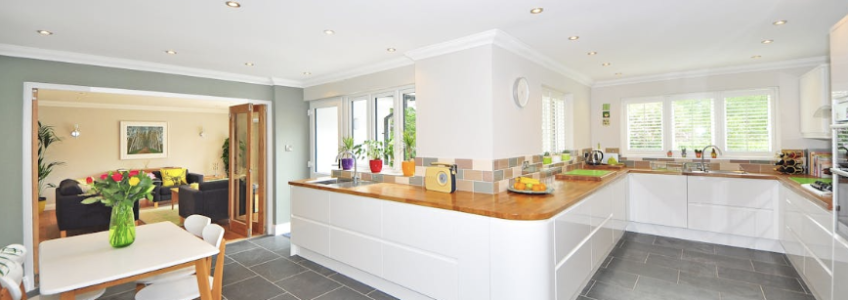
Which is Best for Your Space? Porcelain vs Ceramic Tile
Founded in 2004, A to Z Construction Inc. is a family-owned and operated general contractor that’s built on craftsmanship, reliability, and hands-on expertise. With decades of experience in tile installation and repair, our team helps homeowners choose materials that match their long-term goals. One of the most common questions we receive during bathroom and flooring projects centers on porcelain vs ceramic tile. The answer depends on how and where you plan to use it.
Porcelain vs Ceramic Tile: Make the Right Choice
Choosing the right tile involves more than appearance. Many factors play critical roles in performance over time. Understanding the real differences between porcelain and ceramic tile helps homeowners make informed installation decisions, avoiding costly replacements later. Continue reading to find a clear comparison of porcelain vs ceramic tile to help you determine which option best fits your project:
- Understanding the core differences: Both porcelain and ceramic tile come from clay-based materials, but manufacturers fire porcelain at higher temperatures and use denser clay. This process produces a tile with lower water absorption and increased strength. Ceramic tile remains a reliable and versatile option, especially for lower-moisture areas.
- Durability and wear resistance: Porcelain tile stands up better to heavy foot traffic, impact, and long-term wear. Homeowners often choose it for bathrooms, kitchens, entryways, and commercial spaces. Ceramic tile works well in residential bathrooms and backsplashes where wear remains minimal.
- Water resistance and moisture exposure: Porcelain tile absorbs less than 0.5 percent of water, making it ideal for wet environments like showers and bathroom floors. Ceramic tile absorbs more moisture, which limits its use in high-exposure areas unless properly sealed and maintained.
- Cost and installation considerations: Ceramic tile typically costs less upfront and offers easier cutting and installation. Porcelain tile, in comparison, costs more due to its density, and installation requires specialized tools with professional experience to prevent breakage.
- Best-use scenarios: Porcelain tile works best for bathroom floors, showers, and areas exposed to moisture or heavy use. Ceramic tile fits well in backsplashes and decorative accents where cost control and design flexibility matter more than extreme durability.
- Maintenance and long-term care: Porcelain tile requires minimal maintenance due to its dense, non-porous structure, resisting stains, scratches, and moisture without frequent sealing. Ceramic tile, on the other hand, needs more attentive care, including regular sealing in moisture-prone areas, to maintain appearance and prevent water-related damage over time.
Get Expert Tile Guidance Today
Choosing between porcelain vs ceramic tile comes down to performance needs, budget, and long-term expectations. A to Z Construction Inc. provides professional tile installation and repair services, ensuring materials perform as intended to meet industry standards. If you’re planning a bathroom or flooring project, contact A to Z Construction today online or call us at 763-424-1884 to schedule a consultation.